Experience the Allure of Today's Roof Lanterns: Creative Trends for 2026
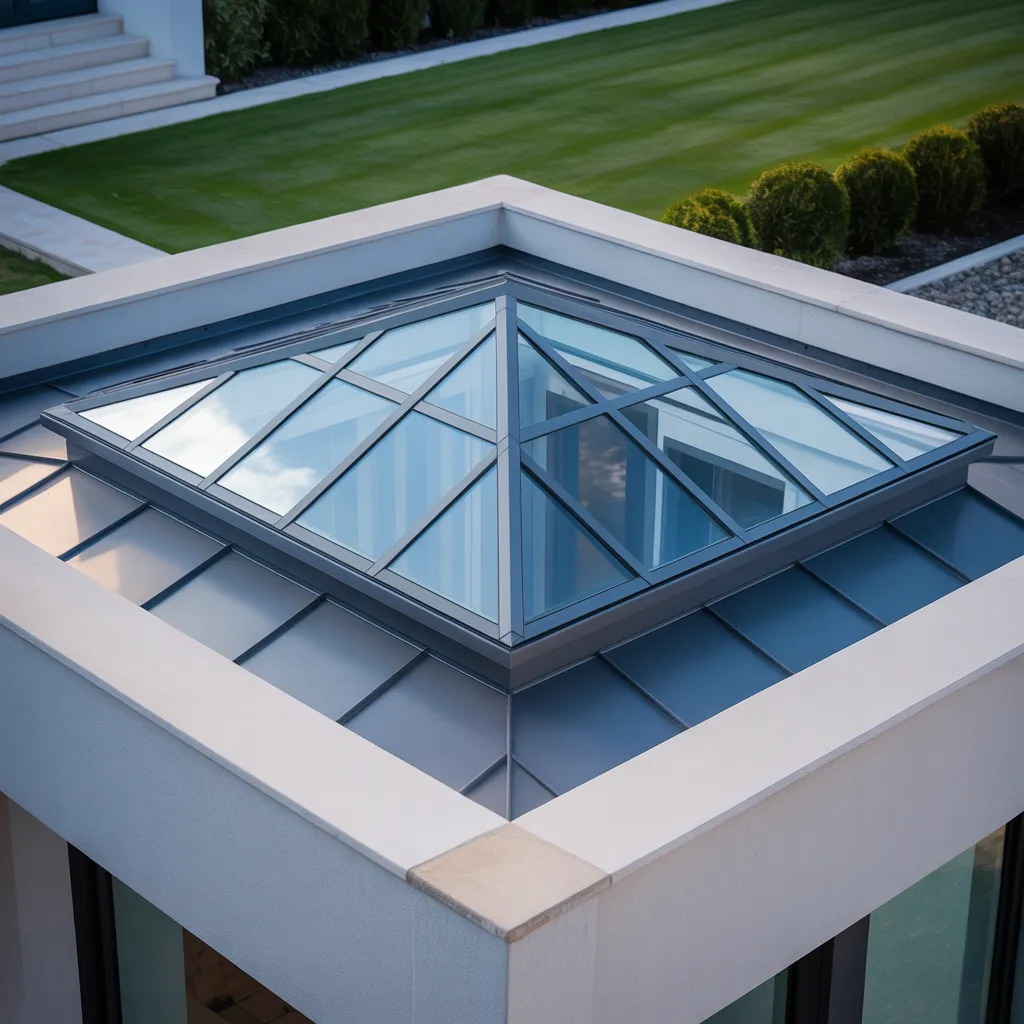
In 2026, contemporary skylight installations are redefining architectural aesthetics. Their sleek geometric designs and customizable features offer both practicality and style, appealing to modern preferences. Sustainable components are now standard, highlighting sustainability alongside elegance. Cutting-edge glass innovations maximize natural light while providing thermal efficiency. As these features converge, they produce welcoming environments that demonstrate a dedication to aesthetic appeal and ecological consciousness. What renders these lanterns vital for modern residences?
The Benefits of Installing a Modern Roof Lantern
A contemporary roof lantern works as a striking architectural component that boosts both aesthetics and functionality. By facilitating natural light to stream into a space, it significantly boosts the mood of interiors, establishing a radiant and welcoming environment. This surge of natural light can lessen the reliance on artificial lighting, as a result supporting energy efficiency and conceivably reducing electricity bills.
Furthermore, roof lanterns can assist in controlling interior climate, enabling better ventilation and air circulation. This can contribute to a more comfortable living space throughout the year. Their versatile designs can enhance various architectural styles, allowing them to work in both contemporary and traditional homes.
In addition, a roof lantern can deliver documentation a distinctive centerpiece, capturing focus and adding visual interest to any room. Overall, the installation of a modern roof lantern not only elevates the aesthetic appeal of a home but also enhances its practicality and energy efficiency, making it a valuable addition.
Top Roof Lantern Choices in 2026
In 2026, the selection of substances for modern roof lanterns demonstrates a combination of ingenuity and environmental stewardship. Architects and designers with growing frequency favor eco-friendly alternatives, like recycled aluminum and sustainably sourced timber. These substances not only curtail environmental impact but also impart a contemporary character.
Glass persists as a preferred choice, with innovations in efficient window technology providing better insulation and UV protection. This permits homeowners to experience natural light while reducing energy consumption.
In addition, composite materials are becoming mainstream, integrating the toughness of synthetic substances with the visual appeal of natural finishes. This phenomenon handles both practical and aesthetic needs, maintaining sustained performance without compromising style.
Ultimately, the materials chosen for roof lanterns in 2026 emphasize both performance and visual appeal, generating stunning, responsible options that transform living spaces while satisfying modern environmental criteria.

One-of-a-Kind Roof Lantern Options to Transform Your Interior and Exterior Aesthetic
Roof lantern styles offer a blend of cutting-edge and conventional design elements that can greatly transform interiors and exteriors. Modern rectilinear treatments present a refined, modern presentation, while Victorian influences add a suggestion of elegance and charm. Exploring these multiple styles empowers dwellers to uplift their domains with bespoke design qualities.
Contemporary Geometric Designs
Contemporary geometric designs in roof lanterns offer a striking blend of functionality and aesthetic appeal. These innovative structures often showcase sharp lines, angular shapes, and minimalist frameworks that create a modern look while optimizing natural light. By incorporating materials such as glass and metal, designers provide a sleek, sophisticated finish that complements various architectural styles. The interplay of light and shadow through these geometric forms enhances both indoor and outdoor spaces, creating visually engaging environments. In addition, customizable options allow homeowners to select sizes and shapes that fit their specific needs, ensuring that each lantern serves as a unique focal point. Ultimately, contemporary geometric roof lanterns elevate spaces with their stylish designs and practical benefits.
Traditional Victorian Details
While contemporary designs govern the marketplace, classic Victorian elements in roof lanterns continue to enchant homeowners looking to improve their interiors and exteriors. Marked by detailed ornamentation, decorative frames, and refined glass design, these lanterns inspire a sense of timeless charm. The use of wrought iron and stained glass is prevalent, reflecting the craftsmanship of the Victorian era. Homeowners appreciate how these designs produce a striking focal point while enabling natural light to flood spaces. In both traditional and contemporary settings, Victorian-style lanterns effortlessly blend history with modernity, providing a unique aesthetic that complements diverse architectural styles. As the design landscape evolves, the enduring appeal of classic Victorian influences remains a notable trend in roof lantern choices.
Selecting the Best Roof Lantern for Your Home?
When selecting the ideal skylight for a house, homeowners should consider both visual beauty and functional benefits. The design should match the design aesthetic of the residence, whether it be contemporary, traditional, or somewhere in between. Dimensions is another vital factor; the lantern should adequately suit the space to increase natural light without overwhelming the room.
Selecting materials, such as aluminum or wood, can also determine the overall appearance and lifespan of the lantern. Homeowners should assess the type of glazing, as options like double or triple glazing can improve insulation and energy efficiency. Additionally, color and finish should complement with existing decor to achieve a cohesive appearance.
Practical considerations, such as ease of maintenance and installation requirements, are equally vital. Ultimately, a well-chosen roof lantern can enhance a home's interior while delivering lasting performance and aesthetics.
Green Roof Lantern Integration
Incorporating green initiatives into roof lantern design provides homeowners an opportunity to enhance both visual quality and environmental stewardship. Modern roof lanterns can be manufactured from sustainable materials such as reclaimed wood and recycled aluminum, decreasing the carbon footprint stemming from production. Moreover, designers are progressively focusing on energy-efficient glass that enhances natural light while reducing heat loss, leading to lower energy bills.
Moreover, integrating solar panels into roof lantern designs permits for collecting renewable energy, increasingly supporting sustainability. The use of low-VOC paints and finishes guarantees healthier indoor air quality, matching with eco-conscious living.
The emphasis on green building practices not only enhances the aesthetic character of a home but also matches a expanding movement towards environmentally-friendly living. As occupants prioritize environmental stewardship, roof lanterns that embody these standards will emerge as both aesthetically attractive and ethical selections.
Straightforward Care Recommendations for Your Roof Lantern
Consistent maintenance is necessary for maintaining the beauty and performance of roof lanterns. To ensure optimal performance, it is advised to wash the glass surfaces frequently using a soft cloth and a mild cleaning solution. This avoids the accumulation of dirt and grime that can limit natural light. Additionally, checking the seals and gaskets for wear or damage is important; changing them promptly can prevent leaks and preserve energy efficiency.
Inspecting the frame and supporting structure for rust or corrosion will help maintain durability. If metal components show signs of deterioration, applying a protective coating can extend their lifespan. In addition, during seasonal transitions, it is wise to remove waste such as leaves or snow that may accumulate on the lantern.
Questioned Questions Often
What Are the Typical Prices of Contemporary Roof Lanterns in 2026?
In 2026, the typical expenses of modern roof lanterns vary between $1,500 to $5,000, shaped by elements such as size, materials, and architectural intricacy, reflecting the evolving trends in home architecture and aesthetics.
How Can Roof Lanterns Change Your Home's Energy Efficiency?
Roof lanterns maximize home energy performance by increasing natural light, reducing reliance on artificial lighting. Their design can boost ventilation, facilitating better temperature regulation, ultimately resulting in lower energy consumption and more sustainable living spaces.
Do natural light fixtures have the ability to be mounted on pre-existing roofs?
Roof lanterns can be mounted on current roof structures, provided structural integrity is assessed. Correct installation confirms compatibility with the current roofing system and optimizes natural light while elevating aesthetic appeal and energy efficiency in the property.
What Determines the Longevity of a Modern Roof Lantern?
The standard lifespan of a modern roof lantern extends from 20 to 30 years, dependent on materials, maintenance, and interaction with environmental factors. Ongoing upkeep can bolster durability and performance over time.
Do Roof Lanterns work well in All Types of Climates?
Roof lanterns can be suitable for various climates, as long as they are properly designed and installed. Thermal protection, materials, and water management factors are essential to guarantee performance and durability in both extreme heat and freezing conditions.